
Your Logo Is Not Your Brand. Here's What Actually Is.
And why spending thousands on a pretty logo won't save a brand that isn't working.
Let's say you walk into a coffee shop for the first time.
The logo on the door looks great. Clean, modern, nice font. You're already excited.
But then, the lighting is harsh and unflattering. The menu is confusing. The staff looks like they'd rather be anywhere else. Your coffee arrives in a paper cup that feels cheap. There's no music, or worse, it's the wrong music.
You leave and never go back.
Now tell me, was logo the problem?
No. The logo was fine. The brand was broken.
And that's exactly what we're talking about today.
So what actually is a brand?
Here's the simplest way to think about it.
Your logo is what people see.
Your brand is what people feel.
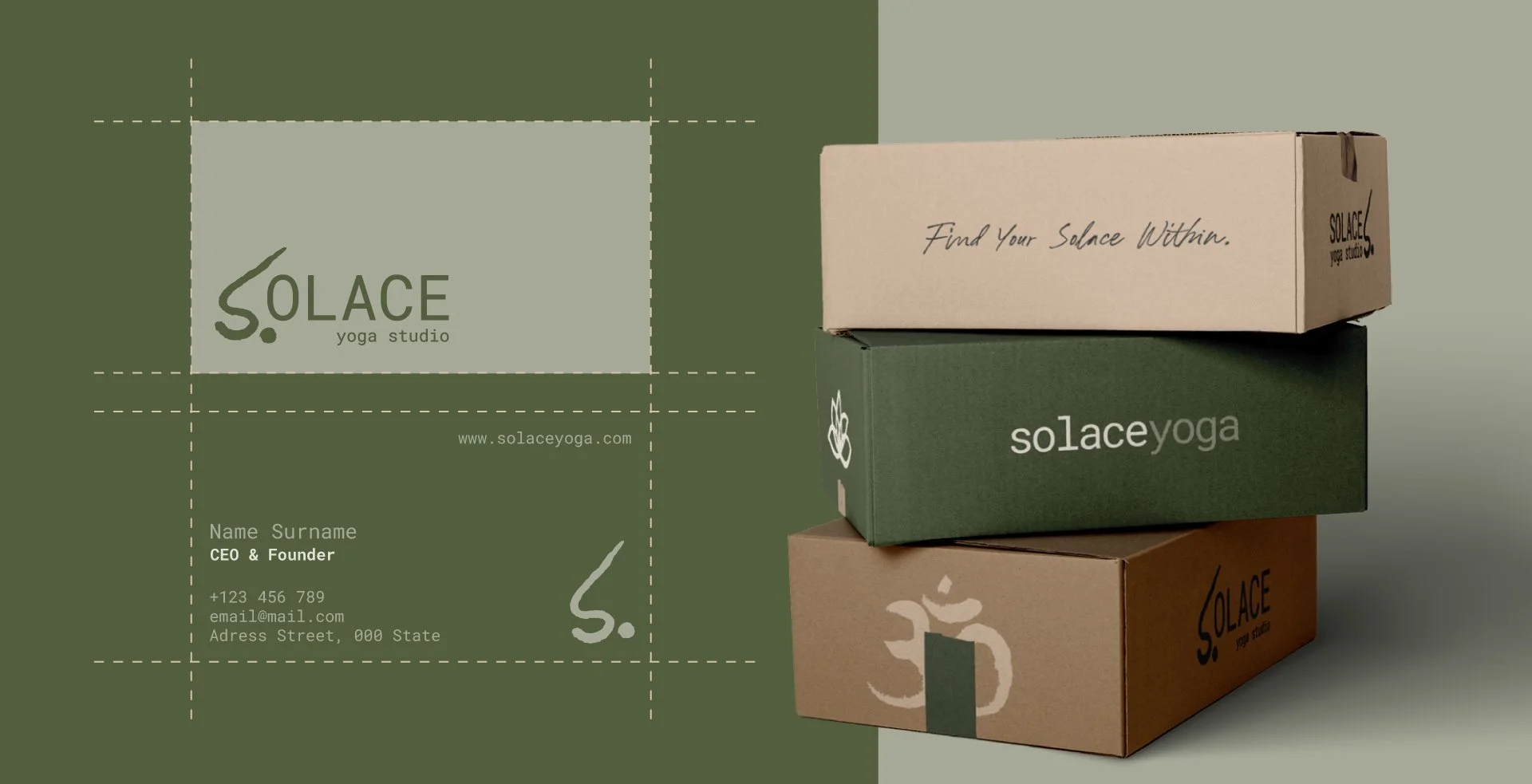
Your logo is a symbol. A mark. A little graphic that represents your business. It sits on your packaging, your website, your business card. Is it important? Yes, of coure. But it's just one small piece of a much bigger picture.
Your brand is everything else.
It's the feeling someone gets when they land on your website. The tone of your captions. The colours that show up everywhere. The way your packaging feels in someone's hand. The experience of buying from you. The vibe of your customer service. The story people tell their friends after they've tried your product.
Think about it this way.
If your business was a person, your logo would be their name. But their brand would be their whole personality. How they dress, how they talk, how they make people feel when they walk into a room.
A great name doesn't make someone likeable. You know that.
Same goes for your logo.
Why do people obsess over logos then?
Because logos are visible. Tangible. You can point at them and say "that's my brand."
Brand identity, the whole feeling, the whole experience, is harder to pin down. It's in everything and everywhere all at once, which makes it harder to design, harder to explain, and much harder to get right.
So people default to the logo. It's the part they can see.
But here's what happens when you focus only on the logo.
You spend weeks going back and forth on fonts and colours. You finally land on something you love. You put it on everything. And then… nothing changes. Enquiries don't go up. People still don't really get what you do. Your business still doesn't feel like the vision you had in your head.
Because the logo was never the problem.
A real life example
Let's talk about two fictional jewellery brands. Both sell handmade earrings at similar price points. Both have beautiful logos.
Brand A has a sleek gold monogram logo. But their Instagram is all over the place. Some flat lays, some selfies, some random motivational quotes. Their website is hard to navigate. Their product descriptions say things like "beautiful earrings, great gift." Their packaging is a plain white box with a sticker.
Brand B has a simple hand-drawn logo. Nothing fancy. But every photo on their Instagram feels like it belongs in a fashion magazine. Warm tones, natural light, intentional. Their website loads fast and feels luxurious. Their product descriptions make you feel something. They tell the story of the material, the maker, the moment it was designed for. Their packaging arrives like a little gift, with matching tissue paper and a handwritten note.
Which brand feels more premium?
Which one are you more likely to buy from, or tell a friend about?
Brand B. Every time.
And it has almost nothing to do with the logo.
What brand identity actually includes
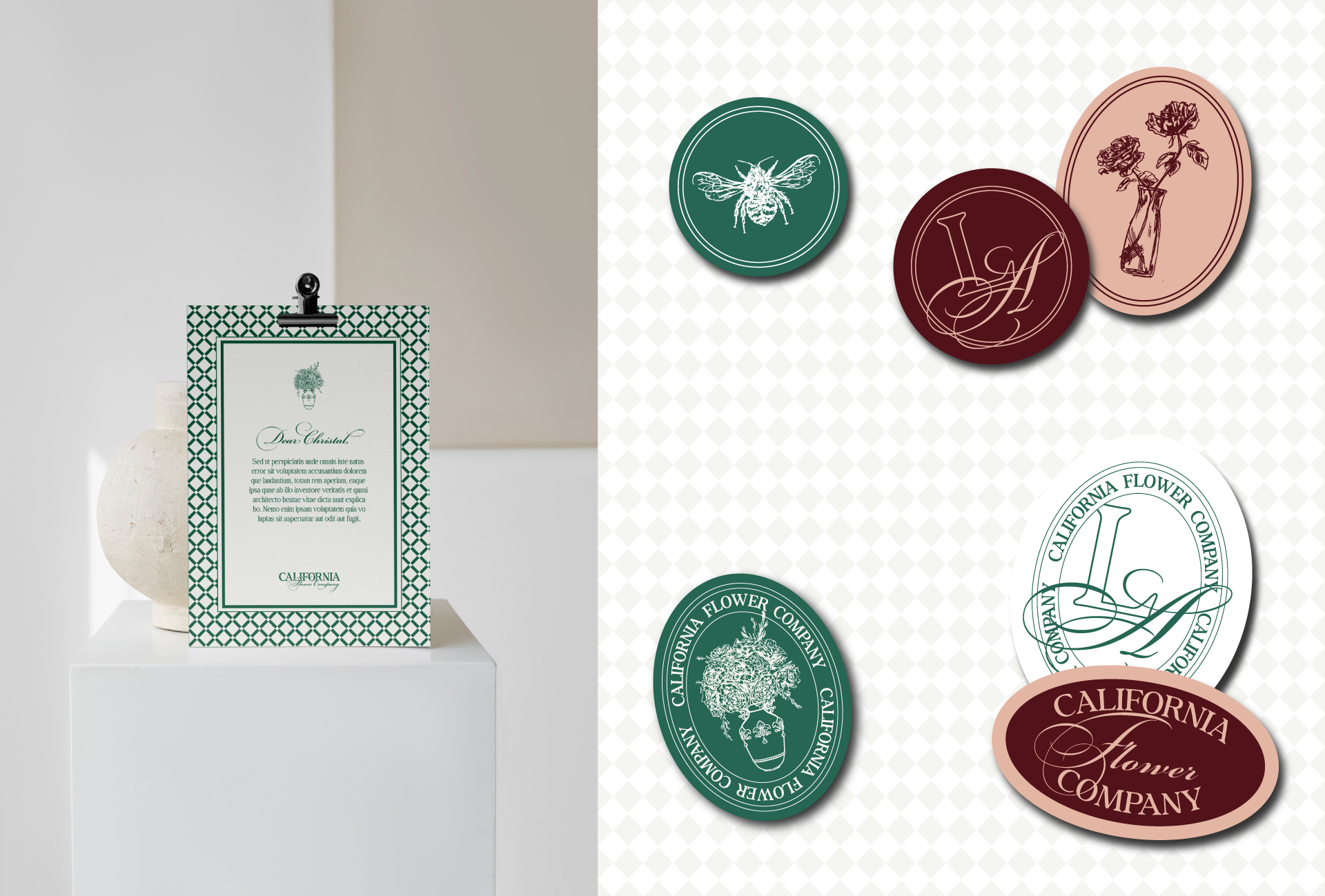
When a designer talks about brand identity, real brand identity, not just a logo, here's what's actually in the room:
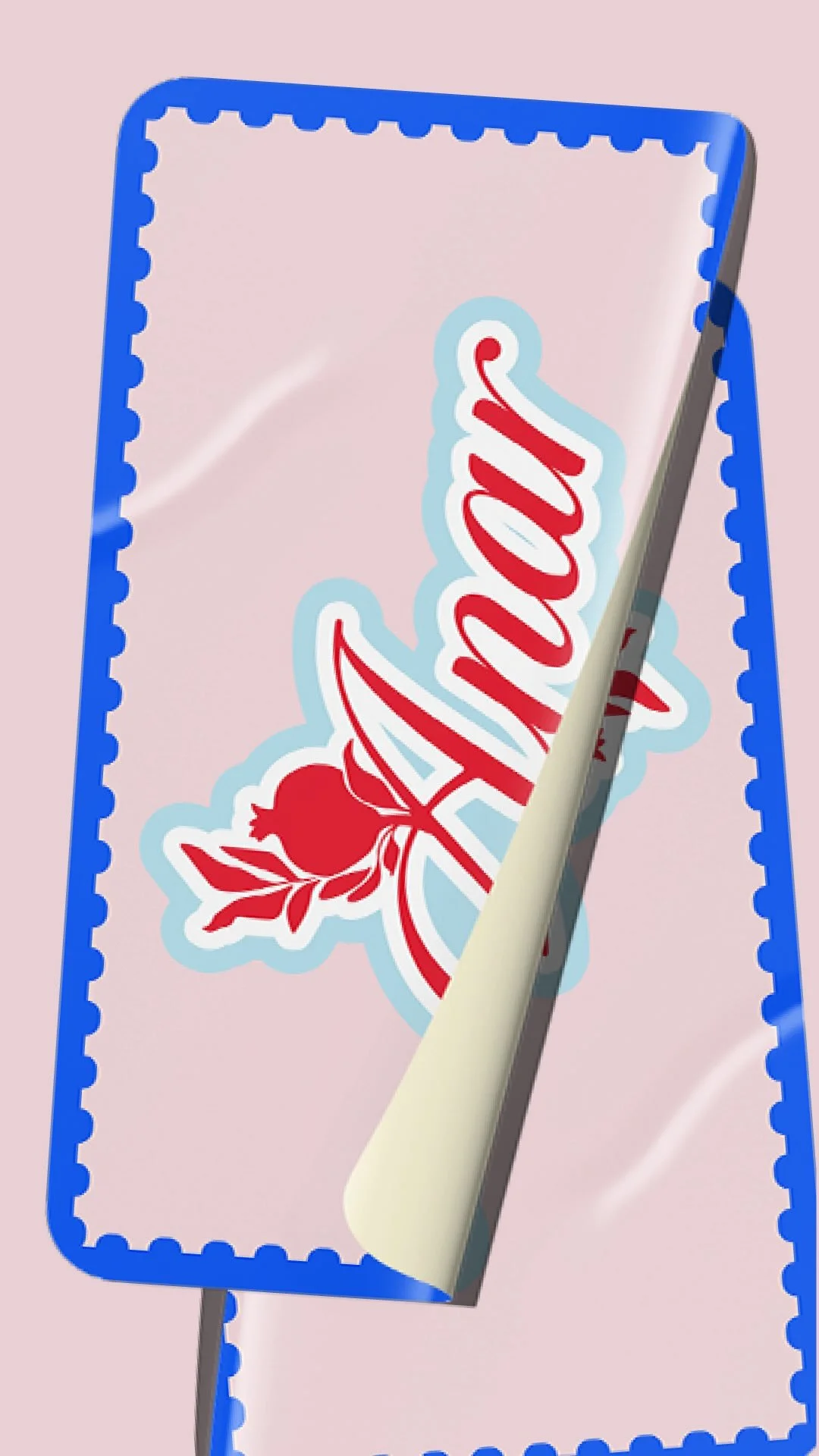
Logo — yes, this is part of it. But just one part.
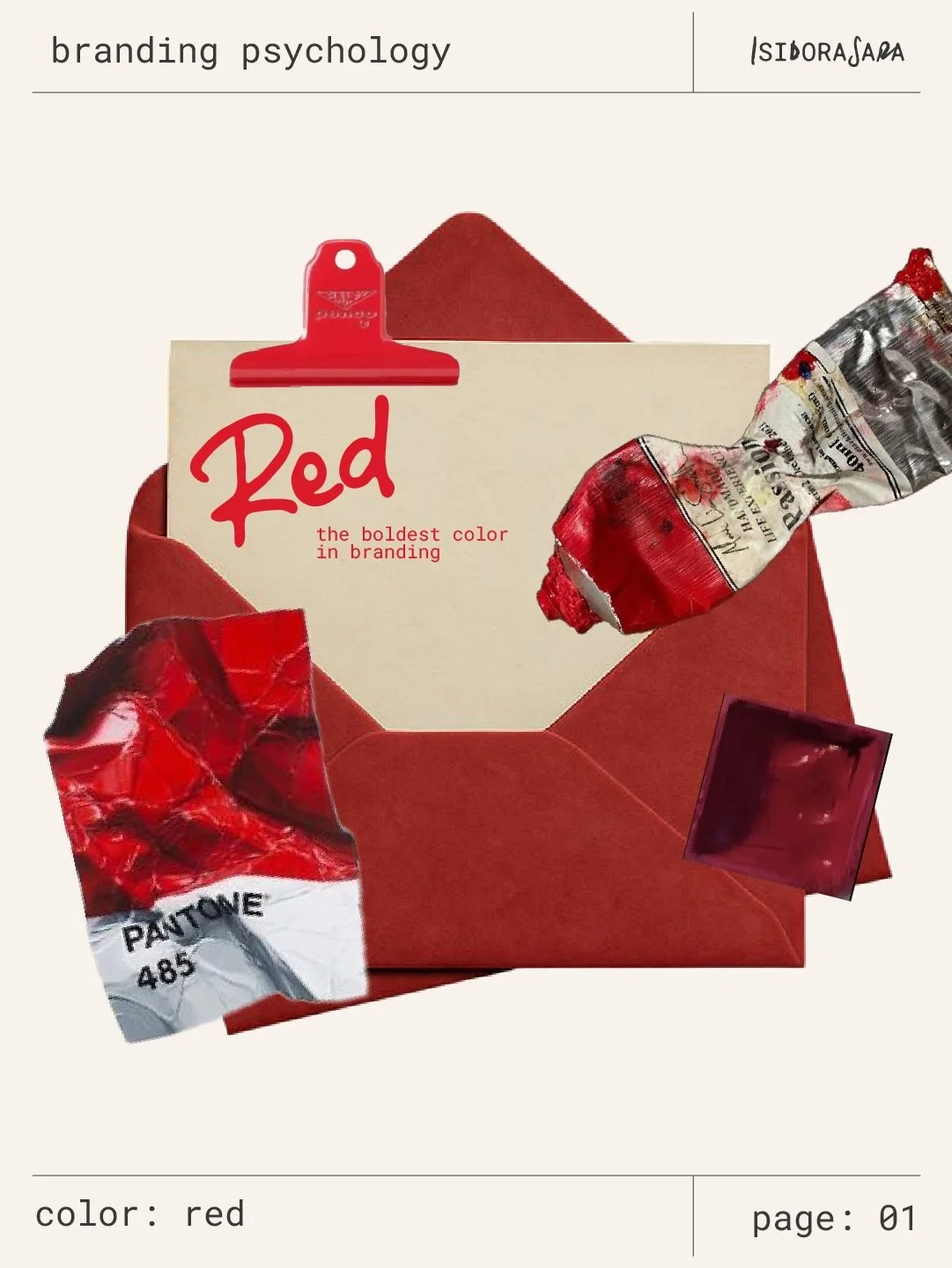
Colour palette — the specific colours used consistently everywhere. Not just "we like green." The exact shades, where they're used, and how they make people feel. Colors carry so much power over how we feel, and connect with everything around us, including brands.
Typography — the fonts chosen for headings, body text, and everything in between. Fonts carry personality. A serif font feels different to a sans-serif. Rounded letters feel different to sharp ones.
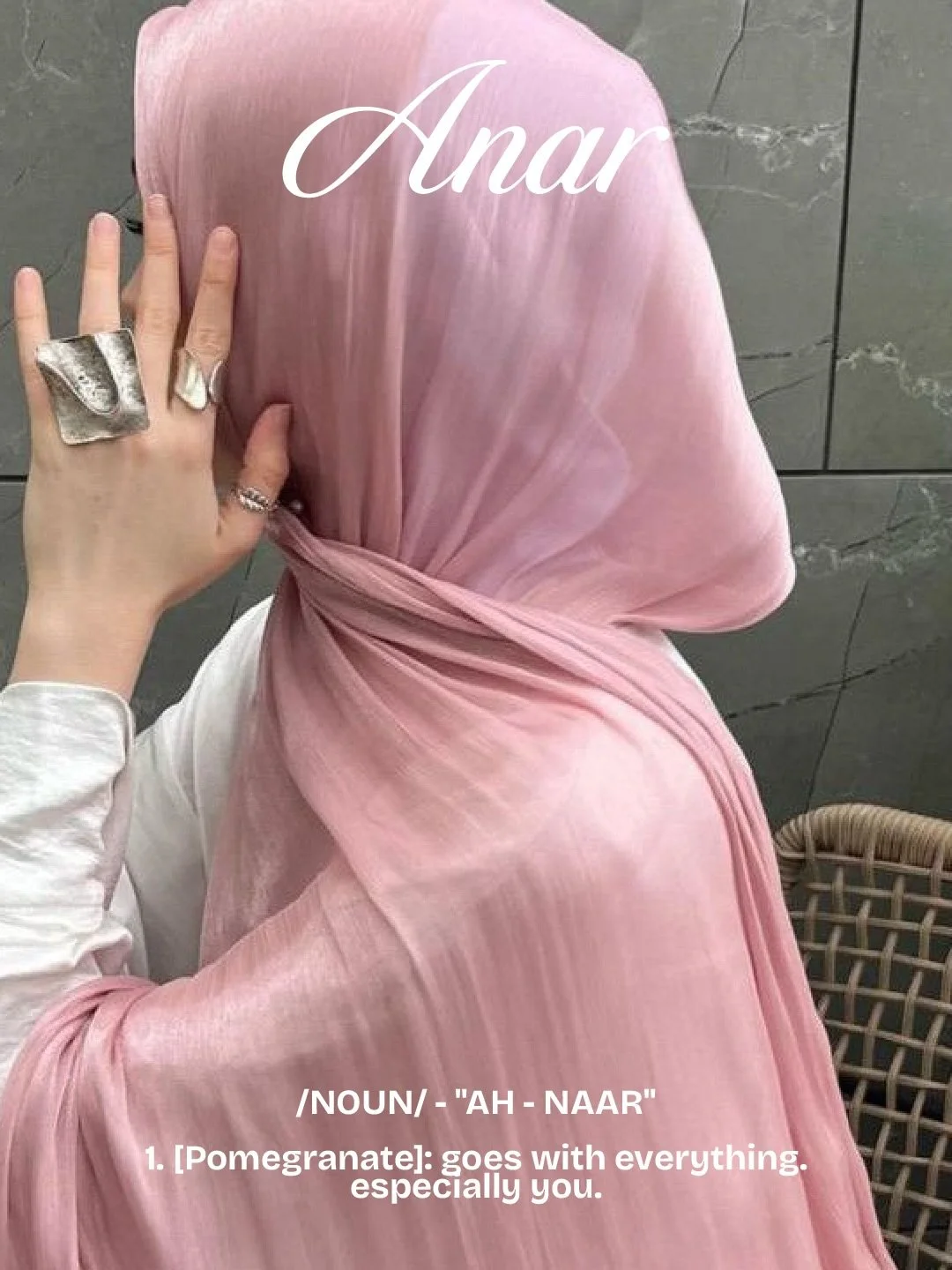
Visual style — the overall aesthetic. What kind of photography feels right? Are illustrations part of it? What does the layout of your website feel like? Even how much space there is between photos and text on your website impacts how people feel your brand.
Brand voice — how you write. Formal or conversational? Playful or serious? Do you use exclamation marks or not? This is your brand's personality in words. This is how they hear you.
Brand experience — what it feels like to interact with your business at every single touchpoint. How easy it is to order. Your packaging. Your emails. Your social media. Your checkout process. Your customer service.
All of this together is your brand identity.
The logo is the tip of the iceberg. Everything else is what's underneath, and that's what actually holds the whole thing up.
So does the logo matter at all?
Yes. Of course it does. Don't throw it in the bin.
A great logo is a foundation. It sets the tone. It signals professionalism. It gives people something to recognise and remember. When it's done well, as part of a full brand identity system, not in isolation, it does important work.
But a great logo cannot rescue a weak brand. And a simple logo sitting on top of a strong, consistent, thoughtful brand identity will outperform an expensive, over-designed logo with nothing solid behind it every single time.
The goal is never just a great logo.
The goal is a brand that makes people feel something. That they recognise instantly. That they trust before they've even made a purchase. That they talk about after they have.
That's what a full brand identity does.
That's what a logo alone never can.
The question worth asking
Next time you look at your brand, don't just look at your logo.
Ask yourself: what does someone feel when they encounter my business for the first time? Is it what I want them to feel? Does every touchpoint, the website, packaging, social media, emails — feel consistent and intentional?
If the answer is yes, your brand is working.
If the answer is no, or "I'm not sure," that's where the real work begins.
And that work starts long before anyone opens a design file.
Ready to build a brand identity that actually does the work?